Brand & Design
Print for every occasion
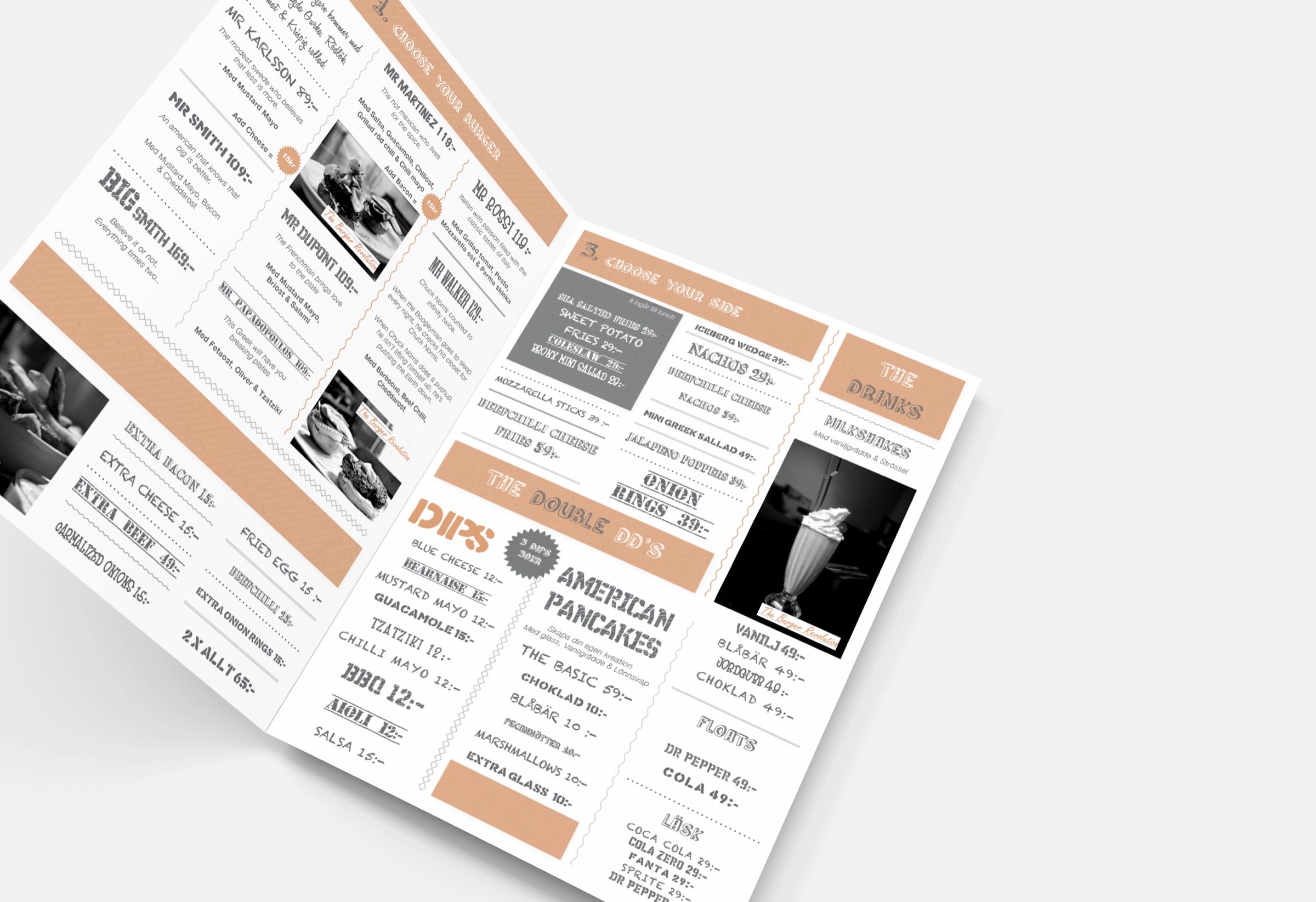
Our designers have years of experience creating original work for office stationery, marketing material, trade fairs, events and stores. We can help with everything from small business cards and letterheads to large building banners, vehicle wrapping and signs.
How we work on print
Print isn't only about design. Method and materials matter just as much. We know the whole process, from colour and form to materials and finish, so what you get suits what you need. First we create a visual identity and logo that reflect your business properly. At the design stage we make the identity adaptable, so it works on screen and in print, across different materials and formats.
Ask us – we know print
A strong logo and visual identity aren’t enough on their own. Printed on the wrong material or with the wrong method, they can make your business look unprofessional and stop your message getting across. With us, you can rely on high-quality print that’s ready to use. Together with our printing partner, we take full responsibility, from choosing the method to delivering the finished product.
What to know before you order print
Start by deciding what the piece is for. Does it need to catch attention, explain something, or stay with the person who receives it? A leaflet handed out at a trade fair needs a different approach from letterhead used every day. Then think about who will pick it up and in what situation. Decide how long the content will stay valid too. Dates, phone numbers and offers change, and anything meant to last should steer clear of details that go out of date quickly. Finally, work out where and how it will be used: held in the hand, hung on a wall or fixed outdoors on a vehicle. The answers decide format, paper and finish. Once you have them, it's far easier to get the right proposal, and you avoid late changes when something is already heading for the printer.
How material and format shape the impression
The same design can feel completely different depending on what it's printed on. A thick, matt paper feels calm and substantial, while a glossy stock makes colours punchier but can feel more commercial. A finish can protect the print, but it can also change how the colours look. Outdoors, other rules apply: signs and vinyl face sun, rain and dirt, and vehicle wrapping has to be designed around the shape of the vehicle. Roll-ups and exhibition stands are often seen from a distance, so the type needs to be bigger and the message shorter than in a brochure. That's why we start from how the piece will be used and choose material and method to match, not the other way round. If you can, feel the options before you decide. It's often the best way to choose well.
Print as part of your brand
A printed piece is often the first thing a customer holds, so it should look like the rest of your business. The colours in print should be recognisable from your website, the logo should sit correctly and the words should sound like you. That's why print is closely tied to logo and visual identity: a clear identity makes every new brochure, roll-up or sign easier to produce and makes them look like they belong together. The pictures often come from photography, and the words from copywriting. When those parts share one look and voice, you don't have to start from scratch every time something goes to print, and the people you want to reach meet a business that feels considered, whether it's on paper, on a wall or on a screen.
Frequently asked questions
What printed material can you help me with?
Everything from small business cards and letterheads to large building banners, vehicle wrapping and signs. That covers office stationery, marketing material, trade fairs, events and stores.
Is a good design enough?
No. Print is about method and materials too. If a logo is printed on the wrong material or with the wrong method, your business can look unprofessional and fail to get the right message across.
Do I need a visual identity first?
We begin by creating a visual identity and logo that reflect your business. We design it to be adaptable, so it works on screen and in print, on different materials and in different formats.
Who is responsible for the printing itself?
We do, together with our partner. We take full responsibility, from choosing the method to delivering the finished product, so you get high-quality print that’s ready to use.
Why do colours look different on paper from on screen?
Screens glow and mix light (RGB), while print mixes ink (CMYK) on paper that absorbs it in its own way. That's why the same colour can look duller in print. Paper and finish play a part too, so colours should be set up for print from the start.
What artwork is needed to print a logo?
You need the logo as a vector file, which can be scaled to any size, for example for signs, vehicle wraps and building banners. Low-resolution image files turn blurry when enlarged. If you don't have a vector file, the logo can often be redrawn.
How many copies should I print?
It depends on how long the content stays valid. Material with details that change quickly, such as offers and contact information, is best printed in smaller quantities. Timeless material, like business cards with details that won't change, can be printed in larger runs.
Selected work
See all our work

Brilliant job! Thank you Great!!
Let’s talk print
Get in touch and we’ll tell you more.